
Recently, I had the privilege of attending Mental Health First Aider training, delivered by Bronnie Hare and Julie Belton from JB Training Partners, as part of my induction to become a Wellbeing Champion here at Accent.
Over two days, we explored the importance of mental health, how to maintain it, the role of self-care, and how to identify when someone might be in crisis. It was an emotive, eye-opening experience that left me feeling both empowered and deeply reflective.
One of the most powerful discussions during the course was about how we treat physical health versus mental health. If you break your arm or have a headache, you’d probably tell someone without hesitation. But when it comes to stress, anxiety, or depression, many of us stay silent, worried about stigma or judgment. That silence can be isolating, and it’s something I’m determined to help change.
As a newly trained Mental Health First Aider, I want to lead by example. So here’s me being honest: I’ve lived with social anxiety for over a decade.
When I share this, people often respond with surprise:
“Really? You seem so confident!”
“Wow, you speak in front of rooms full of people!”
And yes, that’s true. I’ve learned to 'mask' my anxiety well, especially in structured work settings where the focus is on the content and not me. But it’s not perfect. If you’ve ever thought, ‘She’s a bit of an oddball,’ chances are my anxiety was at play. After those moments, I often spend hours, or even days replaying them in my head, wishing I could have handled things differently.
What would make life easier? Simple:
If I could say, “Hey, sometimes my mental health condition might make me seem a little off. Just talk to me. Ask if I’m okay. Or even better-tell me I don’t need to stress about it til the end of time.”
Well, here I am saying it.
Here’s the takeaway:
- Mental health is only taboo if we let it be.
- I’m going to stop treating it as such,
- and I challenge you (at your own pace and comfort level) to do the same.
We’re excited to officially launch our Wellbeing Champion program at the end of January. In the meantime, if you’re struggling, please reach out to a Mental Health First Aider, a trusted friend, colleague, professional, or family member.
Remember, asking for help is a strength and it’s a muscle we should all flex from time to time.
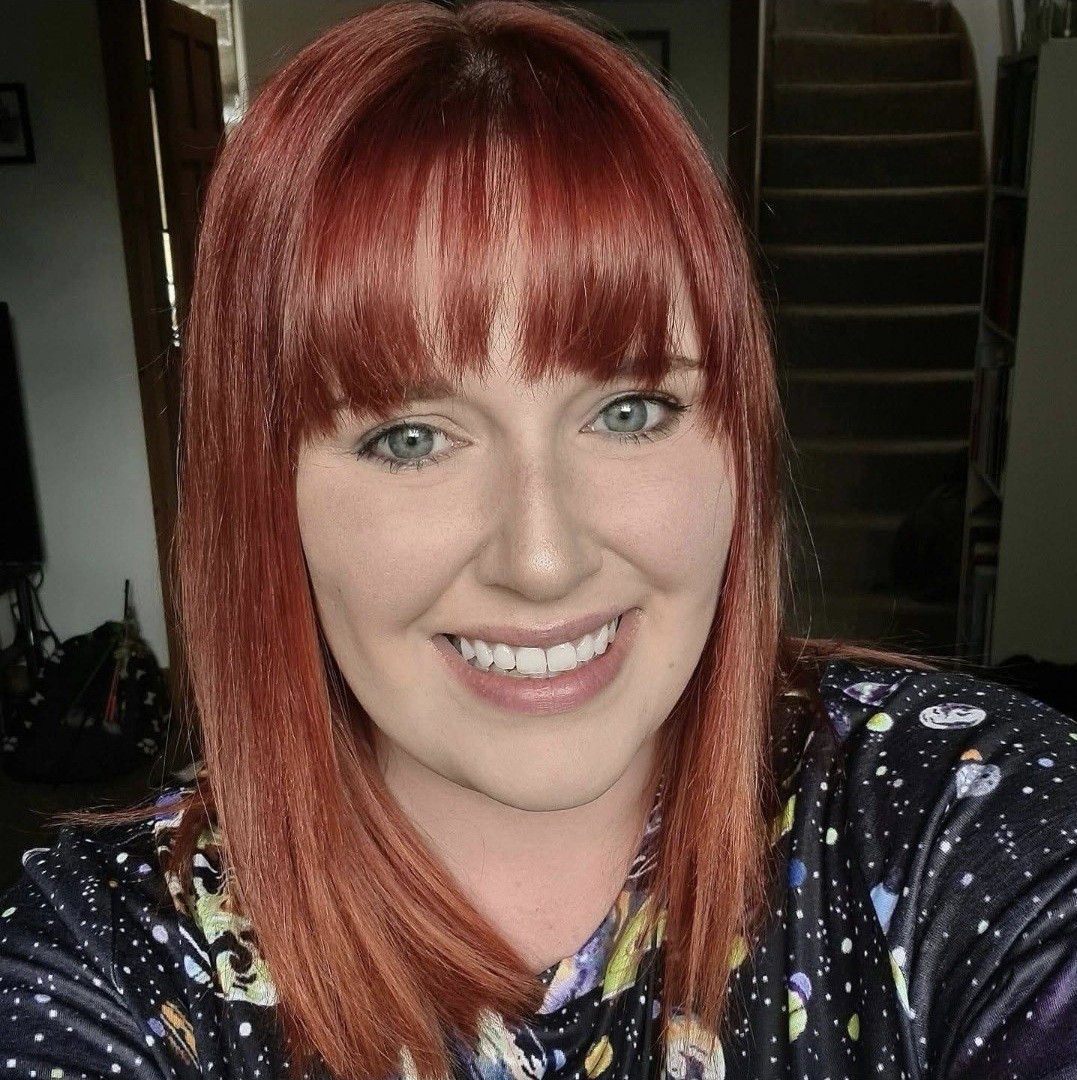
Jessica Thompson is a Business Transformation Analyst at Accent
"As a newly trained Mental Health First Aider, I want to lead by example. So here’s me being honest: I’ve lived with social anxiety for over a decade."
"if you’re struggling, please reach out to a Mental Health First Aider, a trusted friend, colleague, professional, or family member."